


In a world filled with replicas and imitations, the allure of authentic Labubu products stands out like a rare gem. Understanding what makes these pieces truly special is crucial for any collector or enthusiast. This guide delves into the essence of Labubu, exploring the brand’s unique craftsmanship, how to identify genuine items, and where to find them. Uncover essential care tips and connect with a community of fellow admirers-your journey into the heart of Labubu authenticity starts here.
Overview of the Brand
Labubu was founded to bridge the gap between artisans and consumers, enableing local craftsmen while preserving cultural heritage.
Since its inception, Labubu has focused on sustainable and ethical production methods. Their mission is to ensure fair wages and working conditions for artisans, which has led to a reported 30% income growth for participating craftspeople.
Labubu offers a diverse range of products, including handmade textiles, unique jewelry, and intricately crafted home decor items. By directly linking artisans with a global market, Labubu not only enhances their livelihood but also promotes the rich cultural stories behind each handcrafted piece.
Importance of Authenticity
Authenticity is critical for consumer trust, with 70% of shoppers willing to pay more for genuine artisanal goods, according to market research by Nielsen.
Brands like Volkswagen and Pepsi have faced backlash due to authenticity issues. Volkswagen’s emissions scandal eroded consumer trust, leading to a significant drop in sales and a tarnished reputation.
Similarly, Pepsi’s controversial ad featuring Kendall Jenner was perceived as exploitative, resulting in public outcry and damage to its brand image. These examples highlight the importance of aligning messaging and values with consumer expectations.
Brands that remain transparent and true to their core values foster loyalty, ultimately enhancing their market position.
Identifying Authentic Labubu Products
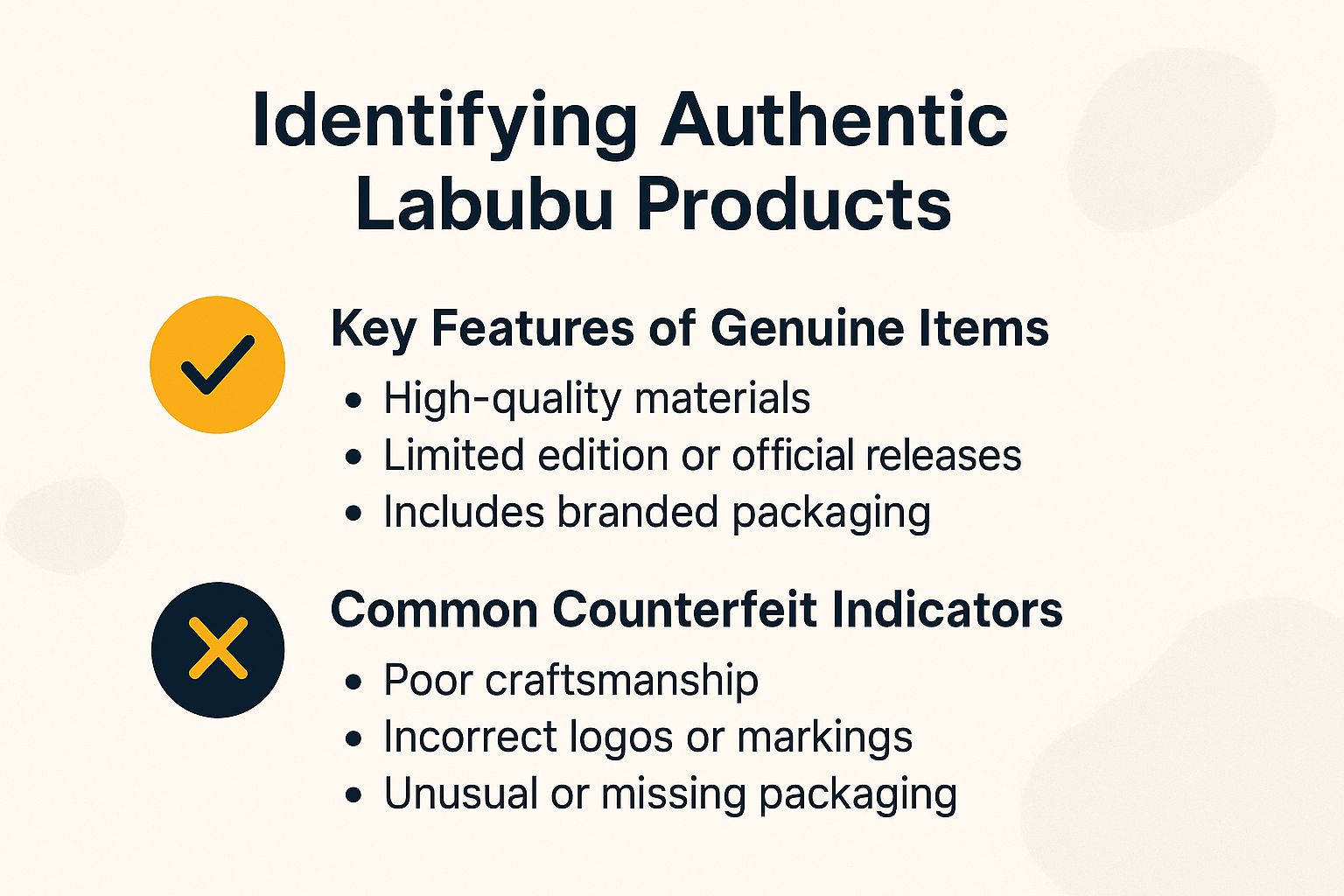
Identifying authentic Labubu products requires a keen eye for detail, focusing on key features that distinguish genuine items from counterfeits.
Key Features of Genuine Items
Authentic Labubu products typically feature unique craftsmanship, quality materials, and identifiable artisan signatures.
To ensure you’re selecting genuine Labubu items, look for these key characteristics:
- handmade tags indicating the artisan’s name,
- high-quality stitching that showcases durability,
- unique texture in materials used-often a sign of careful selection and craftsmanship.
For instance, check for an embossed logo that signifies authenticity. Consider obtaining products directly from verified retailers or the official Labubu website to avoid counterfeit goods. These steps not only enhance your collection but also support the artisans behind these beautiful creations.
Common Counterfeit Indicators
Several indicators can reveal counterfeit Labubu products, including poor craftsmanship, lack of a certificate of authenticity, and suspiciously low pricing.
To verify authenticity, consumers should take specific steps.
- First, always check for a certificate of authenticity, which reputable sellers provide. If it’s missing, that’s a red flag.
- Next, inspect the product closely; legitimate Labubu items will have high-quality materials and meticulous detailing.
- Use authenticity verification apps available for smartphones; these can scan product barcodes or tags to confirm legitimacy.
- Compare prices across multiple retailers; if one seller’s price is dramatically lower, it could signal a counterfeit.
Taking these precautions can significantly reduce the risk of purchasing fake products.
Understanding Labubu’s Craftsmanship

Understanding Labubu’s craftsmanship involves diving into the quality materials and production techniques that define their products.
Materials Used
Labubu products are made from ethically sourced materials, such as organic cotton, recycled metals, and locally sourced woods.
For instance, their organic cotton blankets are crafted using cotton grown in certified farms without harmful chemicals, ensuring both softness and sustainability.
The recycled metals used in their furniture are sourced from local scrap yards, reducing waste and energy consumption in production.
The woods in their designs come from sustainably managed forests, supporting local economies while preserving natural habitats.
Labubu’s commitment to sourcing these materials not only enhances product quality but also reflects a dedication to environmental responsibility.
Production Techniques
The production techniques behind Labubu’s products blend traditional methods with modern sustainability practices to ensure quality and ethical production.
One notable technique is palm leaf weaving, often practiced by artisans in the region for generations. This intricate craftsmanship not only results in durable, beautiful products but also fosters community heritage.
An artisan states, “We take pride in using methods passed down through our families, ensuring each piece tells a story.”
Labubu incorporates eco-friendly dyes, emphasizing the importance of preserving the environment. By merging these time-honored practices with a commitment to sustainability, Labubu creates items that both honor tradition and appeal to modern consumers.
Where to Buy Authentic Labubu

To ensure authenticity, it’s vital to purchase Labubu products from trusted retailers and verified online platforms.
Official Retailers
Official Labubu retailers, such as Artisan Marketplace and Local Craft Co., guarantee the authenticity of their products.
These retailers also support local artisans by providing them with a platform to showcase their work. For example, Craft House not only sells Labubu products but also hosts monthly artisan fairs, allowing creators to interact directly with customers.
Similarly, Handmade Haven promotes local craftsmanship by dedicating a section of its store exclusively to Labubu creations. Other reputable shops include:
- The Artisan’s Nook, which features a curated selection of unique Labubu items,
- Eco Crafts, which focuses on sustainable products, ensuring artists get fair compensation for their work.
Online Marketplaces
Platforms like Etsy and Fair Trade Marketplace are excellent sources for finding authentic Labubu products, provided you verify seller credentials.
To ensure you’re purchasing genuine Labubu items, check for positive seller ratings and reviews. Look for sellers with at least a 4.5-star rating and read recent feedback for insights on product quality.
Utilize the ‘trusted seller’ filter on these platforms to narrow your search. Also, examine the product descriptions closely; authentic items often come with detailed backgrounds and certifications, while counterfeit products may lack this information.
Consider reaching out to sellers directly with any questions to gauge their responsiveness and expertise.
Maintaining Your Labubu Products
Proper care and maintenance of Labubu products can significantly extend their lifespan and preserve their authenticity.
Care Instructions
Each Labubu product comes with specific care instructions; for instance, handwoven rugs should be vacuumed regularly and spot-cleaned only.
For textiles, like curtains or cushions, spot clean with a damp cloth and mild detergent, avoiding bleach.
Ceramics require gentle hand washing with a soft sponge to prevent scratching, and should never be placed in the microwave unless specified as microwave-safe.
For wooden products, use a soft, dry cloth to dust and apply a wood conditioner every few months to maintain their luster.
For a comprehensive care guide, download our PDF that outlines these instructions and more for each Labubu item.
Repair and Restoration Tips
For minor damages, like frayed edges on textile items, simple home repairs can preserve the integrity of your Labubu products.
To repair frayed edges, start by turning your fabric inside out. Use a needle and thread that matches the color of your fabric; a simple whip stitch can effectively secure the frayed area.
For a quick fix, consider fabric glue like Aleene’s Original Tacky Glue, offering a strong hold without the need for sewing.
If you prefer visual guidance, YouTube has numerous tutorials demonstrating these techniques, making it easier to achieve professional-looking results at home.
Regularly inspect your products to catch any issues early for prolonged wear.
Community and Support
Engaging with fellow collectors and utilizing resources for authenticity verification strengthens the Labubu community and consumer confidence.
Engaging with Fellow Collectors
Joining online communities, such as the Labubu Collectors Group on Facebook, allows enthusiasts to share experiences and knowledge.
Participating in platforms like Reddit’s r/Labubu and the Labubu Artisans Forum fosters deeper connections. Collectors can present their collections, seek advice, and participate in collaborative projects.
For instance, the recent Labubu Art Showcase on Instagram brought together global artisans, resulting in a stunning collection that raised awareness and funds for local craftspeople. This initiative not only highlighted the artisans’ skills but also encouraged members to contribute and support the project, emphasizing the community’s impact.
Resources for Authenticity Verification
Resources like the Artisan Trade Fair and the Labubu authenticity app help consumers verify the integrity of their purchases.
Plus these resources, consider using websites like GoodGuide and the Ethical Consumer for more comprehensive evaluations of products.
GoodGuide offers ratings on health, environmental, and social impacts, making it easier to choose responsible brands. Ethical Consumer, on the other hand, provides detailed reports on company practices, aiding informed choices.
For immediate concerns, the Better Business Bureau hotline can be a quick way to check a brand’s reputation. Using these resources collectively enables consumers to make educated decisions regarding authenticity and ethical sourcing.
Summary of Key Points
Key takeaways from the Labubu authenticity guide include recognizing genuine features, supporting local artisans, and engaging with the community.
To recognize genuine features in products, look for unique craftsmanship marks, use of traditional techniques, or materials sourced from local suppliers.
Supporting local artisans can involve purchasing directly from them at markets or utilizing platforms like Etsy. Engaging with the community means participating in events like craft fairs or workshops that showcase local talent.
Each of these steps not only promotes authentic products but also strengthens the local economy and cultural heritage. Consider committing to at least one local event each month to deepen your connection.